The tradition of ageing tobacco inside Habanos reflects a commitment to depth, refinement and authenticity. Just as fine spirits benefit from years in oak barrels, Cuban tobacco gains mellowness and aromatic complexity through extended maturation, before and sometimes after the cigars are rolled. This article explores how ageing elevates Habanos, the categories recognized by the Protected Denomination of Origin, and the resulting experience for aficionados.
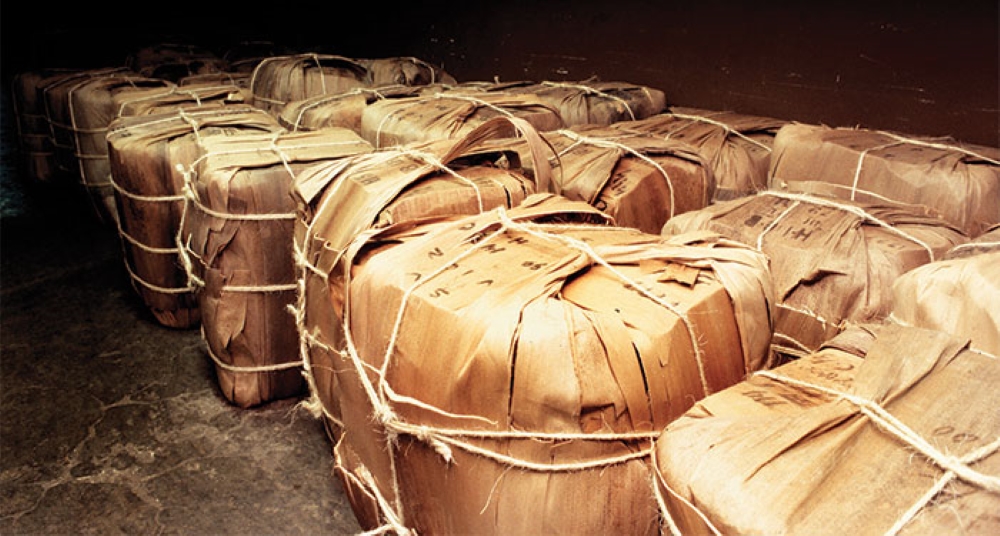
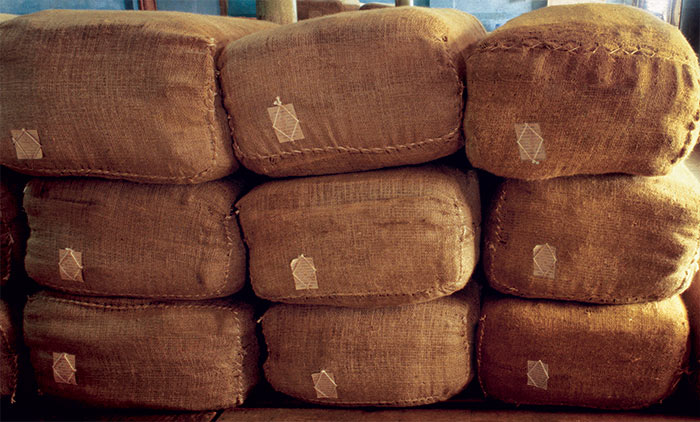
Aged Tobacco Leaves in Bales
Tobacco destined for Habanos undergoes rigorous curing, fermentation and conditioning. Beyond that standard process, the leaves, filler, binder and wrapper, can be further aged in bales for years. This additional moulding period unlocks deeper flavour as tannins soften, sugars rise, aromas broaden and the tobacco becomes rounder and more aromatic, much like aged Cognacs or rums.
Since 1999, the best leaves from each harvest have been set aside in Havana warehouses to mature. These aged tobaccos form the basis of limited production cigars, but they are also sometimes used in standard lines or in specific leaves such as wrappers, depending on the release.
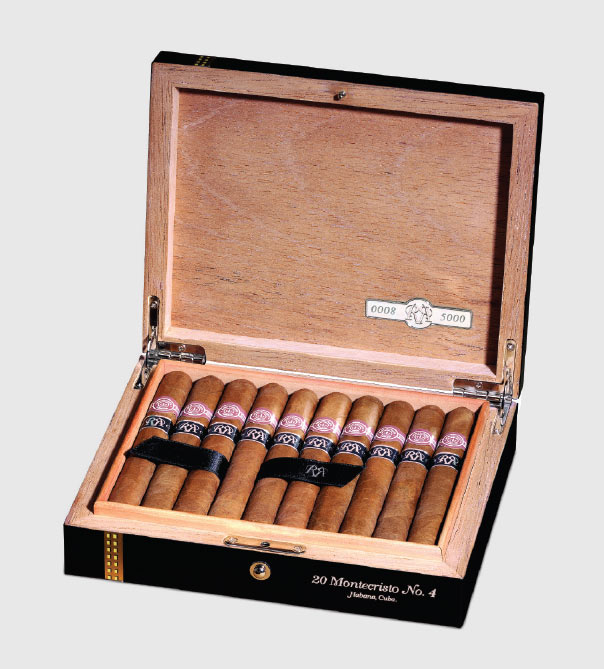
Reserva, Three Years for Balanced Maturity
The Reserva classification applies when all components, filler, binder and wrapper, have been aged in bales for at least three years before rolling. This extra time gives the cigar a round, balanced character and a refined aroma.
The first Reserva release was Cohiba Selección Reserva in 2003, using 1999 harvest tobacco. Later, Partagás Serie D No. 4 Reserva, from 2000 leaves, and Montecristo No. 4 Reserva, from 2002 leaves, followed. Each release is limited to 5,000 numbered lacquered boxes of 20 cigars and bears a distinct black and silver Reserva band.
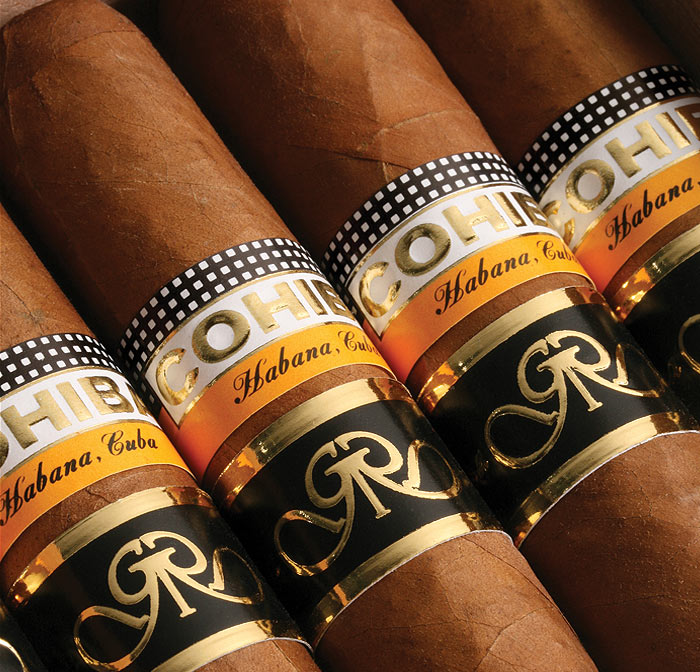
Gran Reserva, At Least Five Years of Age
Gran Reserva represents the elite standard, reserved for cigars whose filler, binder and wrapper have all matured for at least five years. Only the finest leaves harvested in the Vuelta Abajo region are chosen for this long confinement to ensure exceptional quality.
This category began in 2009 with the Cohiba Siglo VI Gran Reserva, made with tobacco harvested in 2003. Released in a numbered edition of 5,000 lacquered boxes of 15 cigars, each cigar carries a black and gold Gran Reserva band. Later, in 2011, Montecristo No. 2 Gran Reserva followed, using 2005 harvest tobacco.
Edición Limitada and Maduro Wrappers
The Edición Limitada programmes, first introduced in 2000, use extra aged wrappers, darker leaves from upper shade grown plants that require longer fermentation and ageing. Initially limited to wrapper leaves, since 2007 the filler and binder have also been aged for at least two years. These releases carry a black and gold box seal and a band indicating the release year.
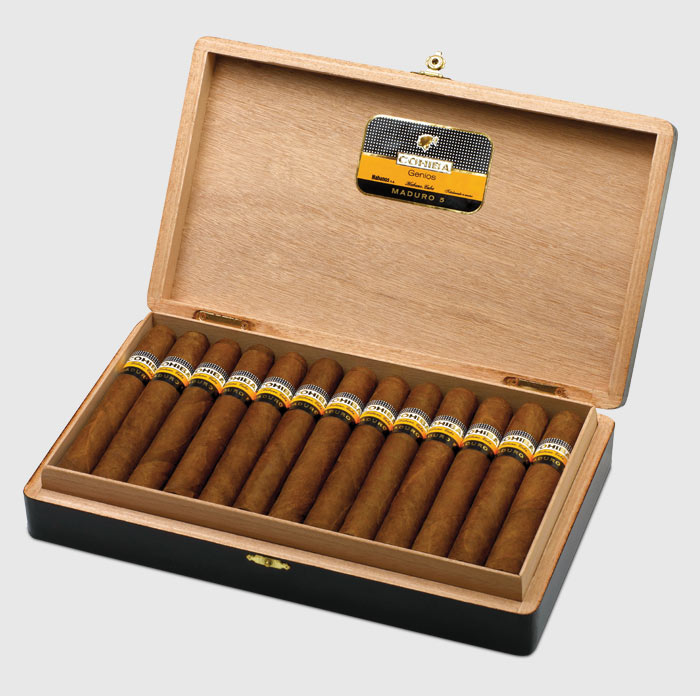
A special variation is Cohiba Maduro 5, which is part of the standard line but uses only wrapper leaves aged for at least five years. These wrappers deliver greater sweetness and aroma, attributed by many aficionados to the distinct Cuban maduro leaf ageing process.
A Timeless Commitment to Perfection
Ageing tobacco leaves before and sometimes after rolling is not merely a technical step, it is an art that deepens the character of a Habano. From the rounded flavour of Reserva, through the refined intensity of Gran Reserva, to the rich sweetness of Maduro wrappers, each category offers a distinct sensory journey. Habanos S.A.’s ageing protocols underscore its dedication to quality, tradition and authenticity, ensuring that each cigar is not only a product but a legacy.
Photos From: Habanos S.A.