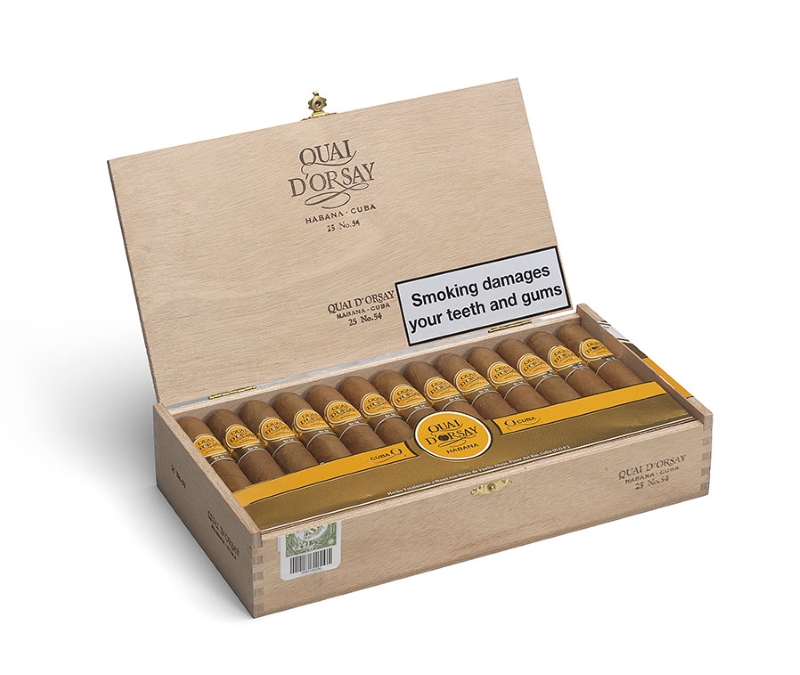
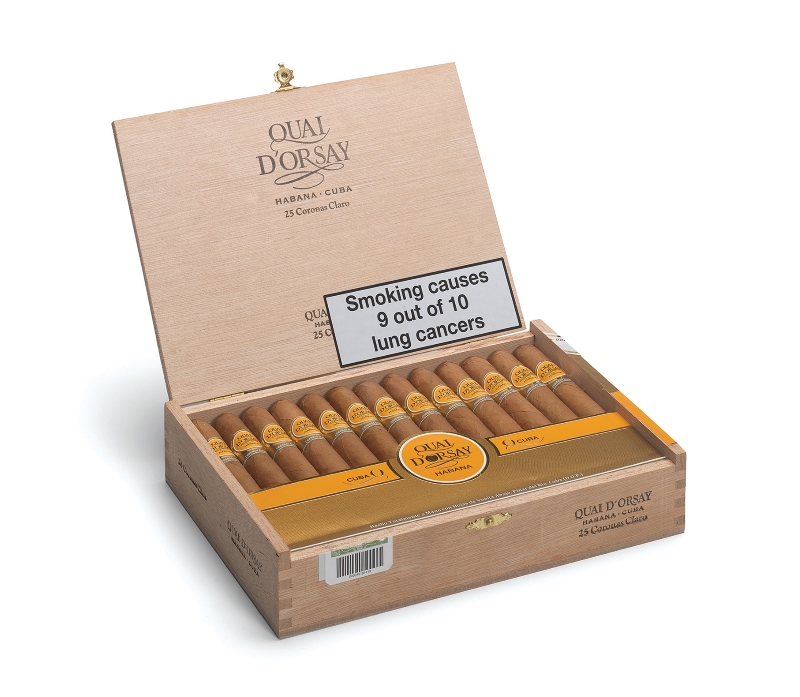
Quai d’Orsay is one of the most distinctive names in the Cuban cigar portfolio. Created in the 1970s for the French market, the brand brings together Cuban craftsmanship and French refinement. Its approachable profile, refined aroma, and soft presentation have made it a notable choice for smokers who value elegance over intensity.
Produced by Habanos S.A. using tobacco from the Vuelta Abajo region in Cuba, Quai d’Orsay was initially developed in close collaboration with SEITA, the French state tobacco company. While it began with a specific audience in mind, its appeal has quietly expanded over time.
A Brand Born from Collaboration
Quai d’Orsay was established in 1973 as a response to France’s interest in having a Cuban cigar tailored to its national taste. The brand’s name refers to the Parisian street where SEITA had its offices, also home to France’s Ministry of Foreign Affairs. The name was chosen to reflect both sophistication and international presence.
SEITA worked with Cubatabaco (the Cuban state tobacco company at the time) to create a milder blend, aiming for a cigar that matched the preferences of the French market, which favored subtler and more aromatic cigars. The collaboration resulted in a refined product with a unique position in the Cuban range.
A Style of Its Own
For several decades, Quai d’Orsay maintained a quiet and steady presence. The brand offered vitolas such as the Coronas Claro and Imperiales, which were known for their lighter flavor profile and creamy texture. The cigars often featured a claro wrapper, enhancing the visual appeal with a golden hue.
These cigars found consistent favor among those who preferred subtlety and balance. Quai d’Orsay developed a reputation for offering a dependable, well-crafted cigar with a delicate aroma. While it was less prominent than other Cuban marques, it remained respected within knowledgeable circles.
A New Chapter Begins
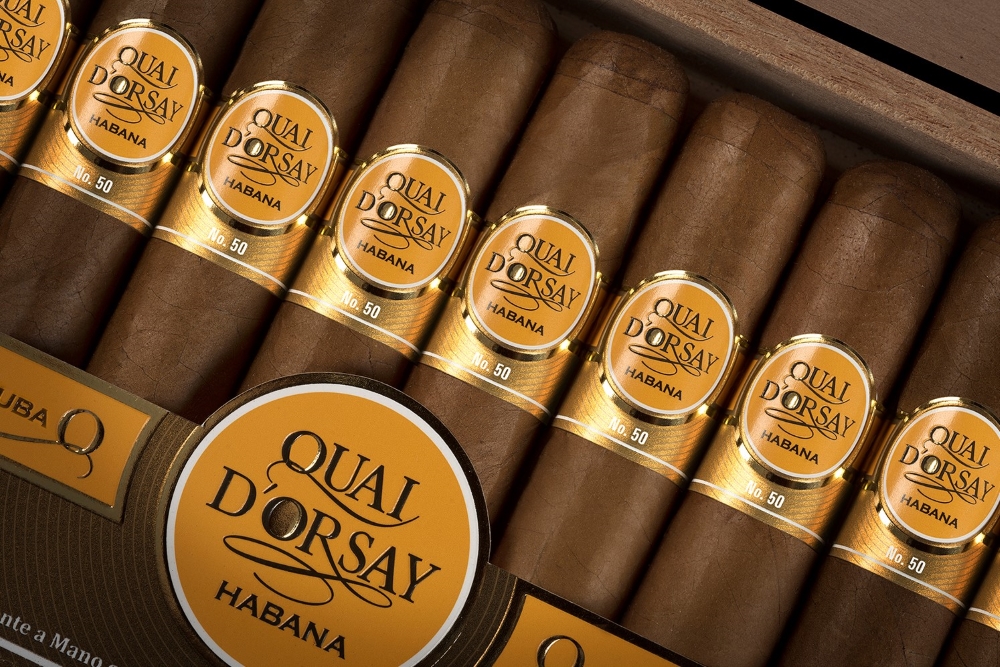
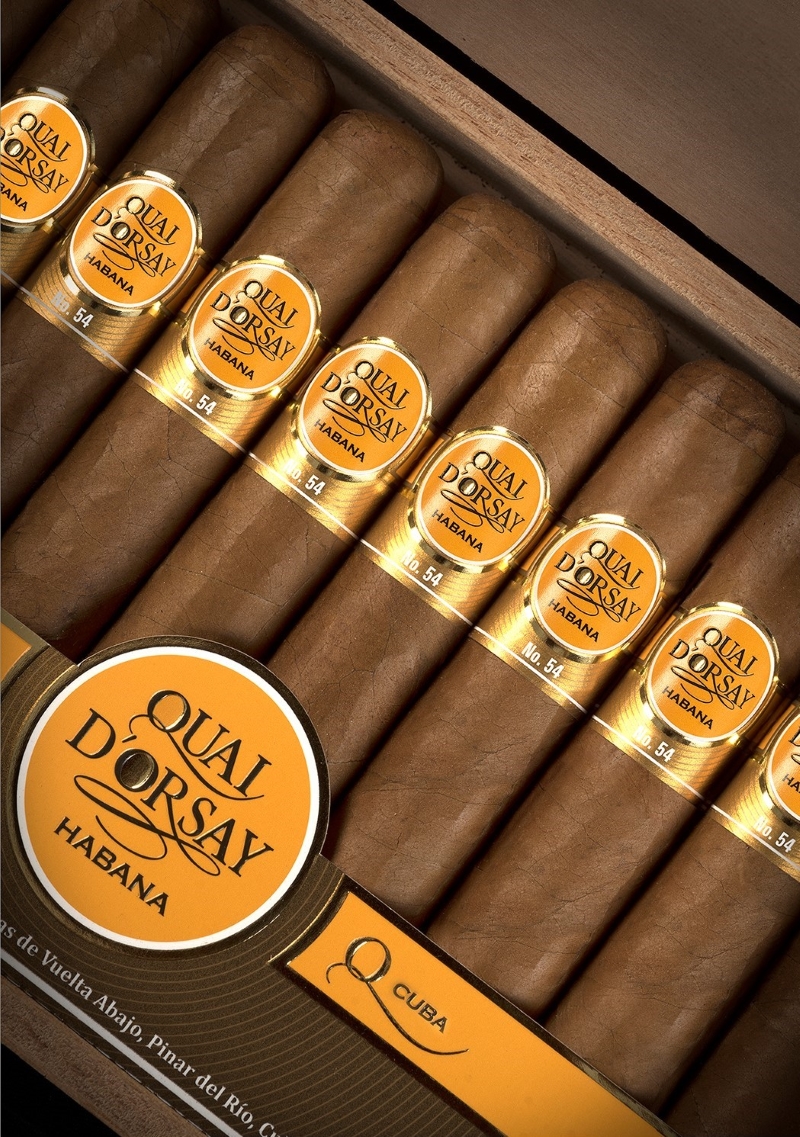
In 2017, Habanos S.A. redefined Quai d’Orsay’s image. The redesign introduced a more contemporary band and packaging style while preserving the brand’s elegant aesthetic. The update included the addition of two new vitolas: the No.50 and the No.54.
These new releases maintained the brand’s traditional character but introduced slightly more intensity, with larger ring gauges and a more rounded flavor profile. The goal was to bring Quai d’Orsay to a wider audience while staying within the boundaries of the brand’s established personality.
Maintaining a Consistent Identity
Quai d’Orsay cigars continue to be produced at the Francisco Pérez Germán factory in Havana. The blend remains light to medium in strength, often described as creamy, floral, and slightly woody. The brand has not shifted its approach in pursuit of popularity, instead focusing on refinement and subtle development.
The wrapper remains an essential feature, with light tones that match the cigar’s approachable nature. Though it has expanded its range, Quai d’Orsay continues to serve as a cigar that complements rather than competes. It fits settings that call for understatement and balance.
A Distinctive Option Within the Cuban Portfolio
Today, Quai d’Orsay is recognized for its polished presentation and thoughtful construction. While it may not dominate global rankings or headlines, it holds a meaningful place for smokers who value a different expression of Cuban tobacco, one shaped by collaboration, culture, and care.
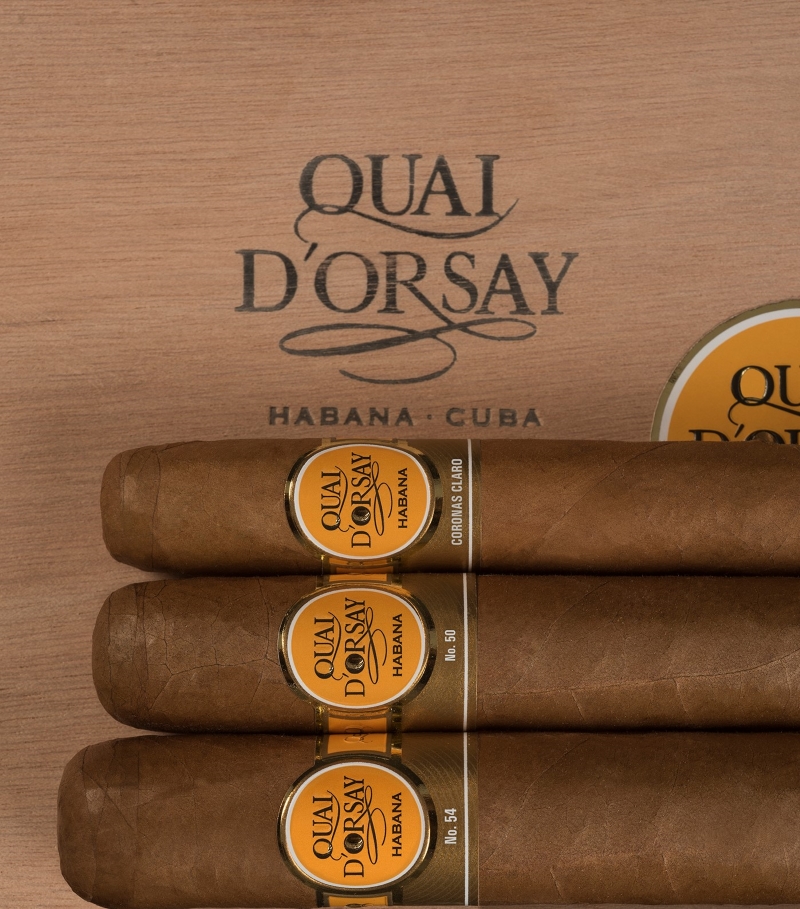
Whether selecting the well-established Quai d’Orsay Coronas Claro, the more contemporary No.50, or the slightly bolder No.54, smokers will find a cigar that remains faithful to its origins and crafted with quiet confidence.


-800.jpg)