In the rarefied world of Cuban cigars, where names like
Cohiba and
Montecristo often dominate conversations about luxury and prestige,
Quintero occupies a quietly distinct place. Its story is not one of exclusive reserves or record-setting auctions, but of enduring relevance and a clear identity rooted in accessibility, honest flavor, and a lineage that stretches back to the early days of Cuban cigar culture.
Quintero’s origins date to circa 1924, when Agustín Quintero and his four brothers established a small factory in Cienfuegos, on Cuba’s southern coast. This choice of location — outside the traditional epicenter of Havana — set Quintero apart from the start. The brand’s full original name, Quintero y Hno (Quintero and Brother), reflects both its family roots and its entrepreneurial spirit in an era when Cuban cigar brands were proliferating across the island.
As the Quintero name grew in reputation through the pre-revolutionary decades, the company expanded and began incorporating tobaccos from Vuelta Abajo, the storied tobacco growing region of Pinar del Río that is widely regarded as the source of the world’s finest cigar leaf. By the 1940s the brand had established a larger rolling facility in Havana and was firmly part of Cuba’s international cigar trade.
The Cuban Revolution and the nationalization of the tobacco industry in the early 1960s brought significant change. Under state control, Quintero was repositioned: most of its traditional hand-rolled vitolas were discontinued and replaced with cigars produced primarily by machine or hand-finished using short-filler tobacco. For decades it remained the only Cuban machine-made brand to be marketed broadly by Habanos S.A. — the state-run company responsible for the global promotion and distribution of Cuban cigars.
The early 2000s saw another pivotal shift. In a broader effort to emphasize the craftsmanship of Cuban cigars, Habanos S.A. transitioned Quintero back to entirely handmade production, albeit with a continued focus on short-filler tobacco — or tripa corta — rather than the long-filler tobacco found in more premium marques. This construction uses smaller pieces of filler leaf nestled within a long binder and finished with a hand-applied wrapper, resulting in an approachable format that remains distinctly Cuban.
Today, Quintero is officially classified by Habanos S.A. as a volume-focused brand with a range comprised of handmade cigars that generally sit in the medium strength category. The blend draws on tobacco from both Vuelta Abajo and Semi Vuelta zones, balancing classic Cuban flavors with a profile that is accessible and not overly intense.
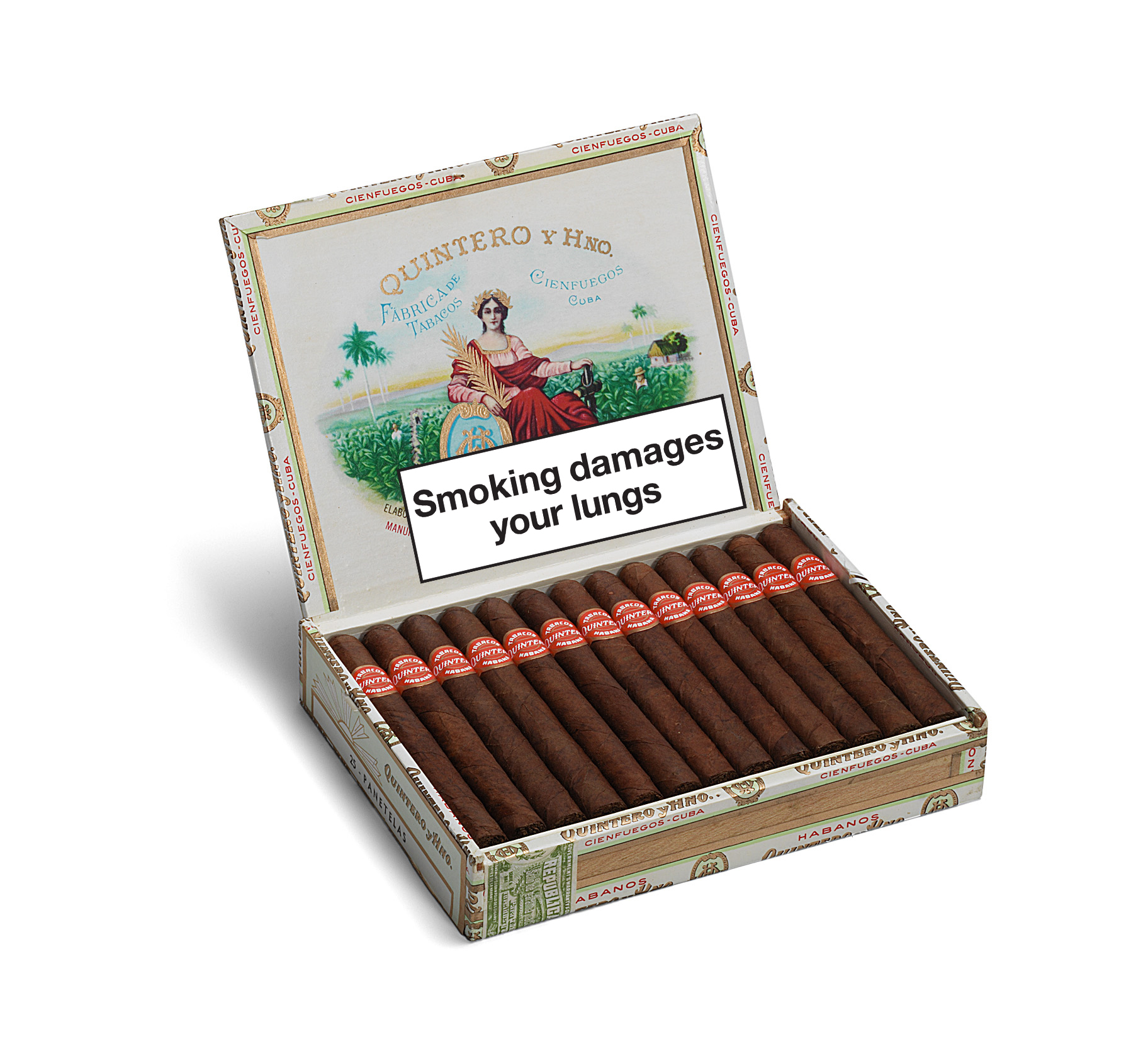
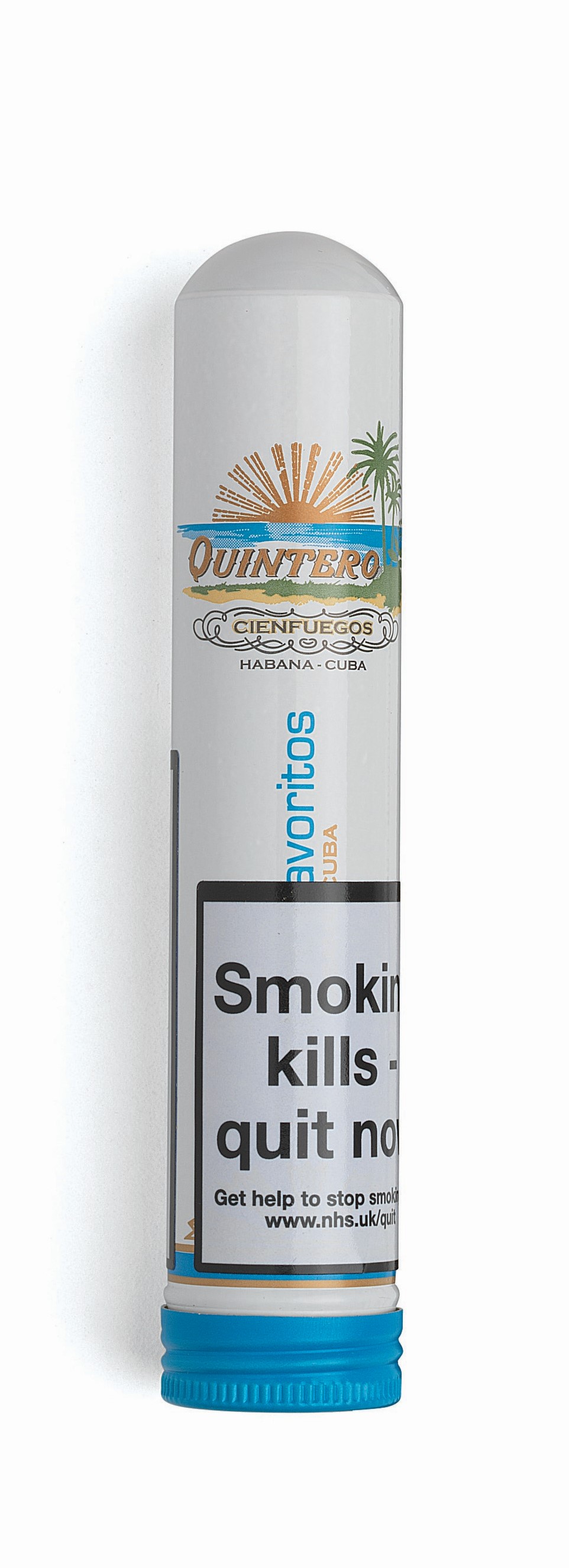
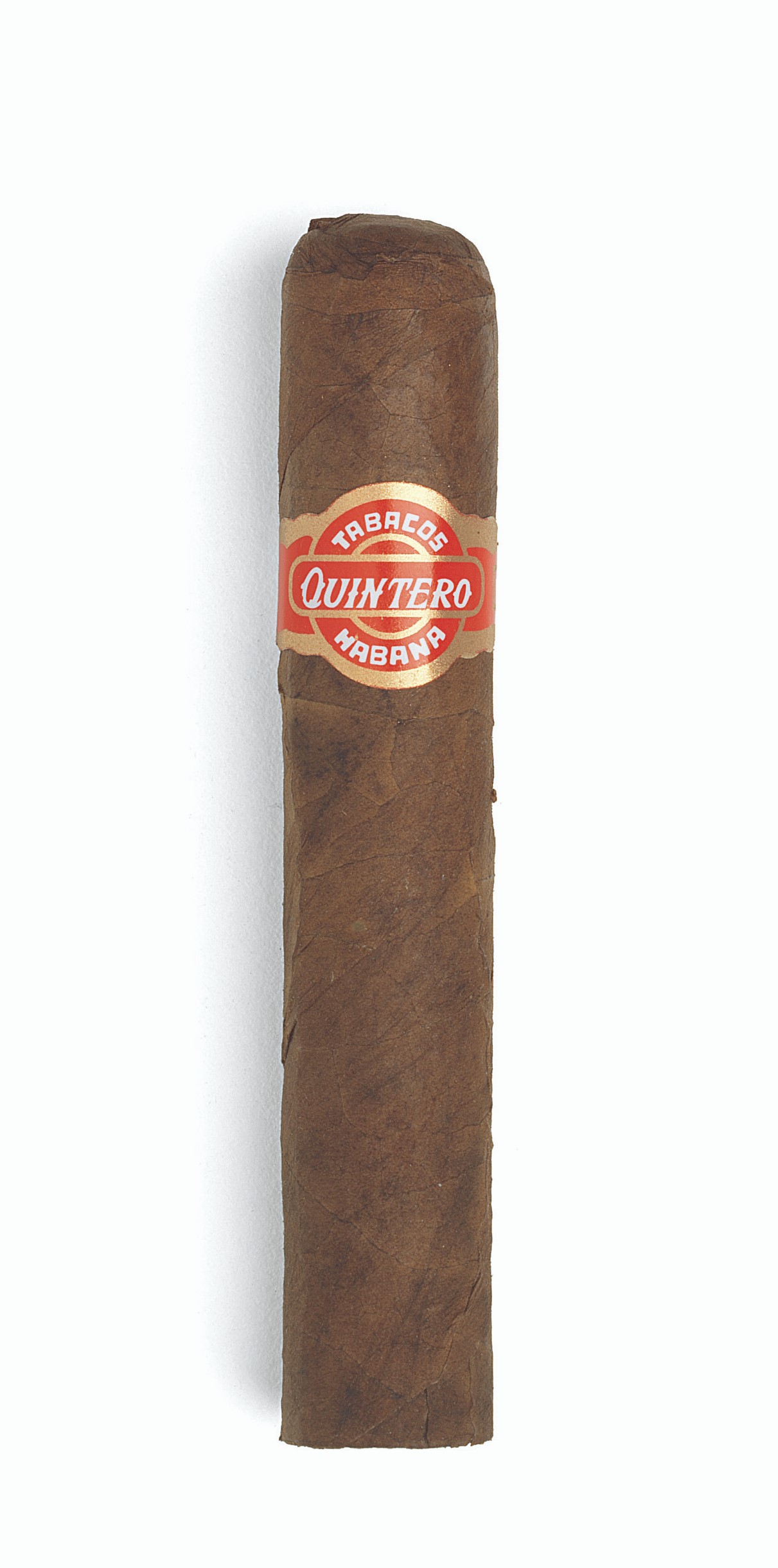
The current Quintero lineup includes a variety of formats, from the well-known Petit Quintero to the more substantial Favoritos, each offering a snapshot of the brand’s philosophy: traditional Cuban character presented in a form that invites regular enjoyment without the premium pricing of the island’s flagship marques.
What Quintero lacks in rarity it makes up for in character. Its cigars do not chase complexity for its own sake, but instead deliver a dependable expression of Cuban tobacco — earthy, grounded, and without pretense. In a cigar world increasingly focused on headline-grabbing releases and collector fervor, Quintero offers a reminder of why Cuban cigars first captured global attention: genuine craftsmanship shaped by place, history, and the simple joy of a satisfying smoke.
For enthusiasts seeking to understand the full spectrum of Cuban cigars, from the storied boutique to the everyday habit, Quintero stands as an essential chapter — one rooted in legacy, shaped by pragmatic evolution, and defined by its own distinct place within the pantheon of Habanos.
Explore more detailed profiles and tasting notes on Cigar Keep, and discover how cigars like Quintero can broaden your appreciation for the nuanced world of Cuban tobacco.