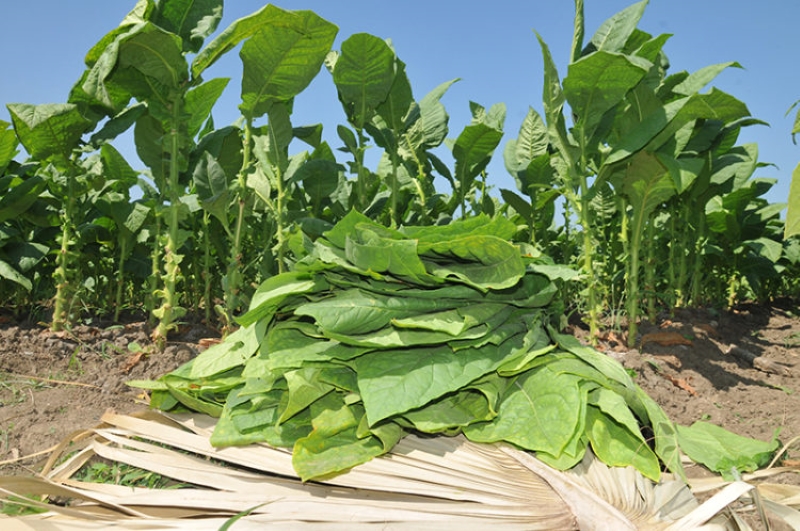
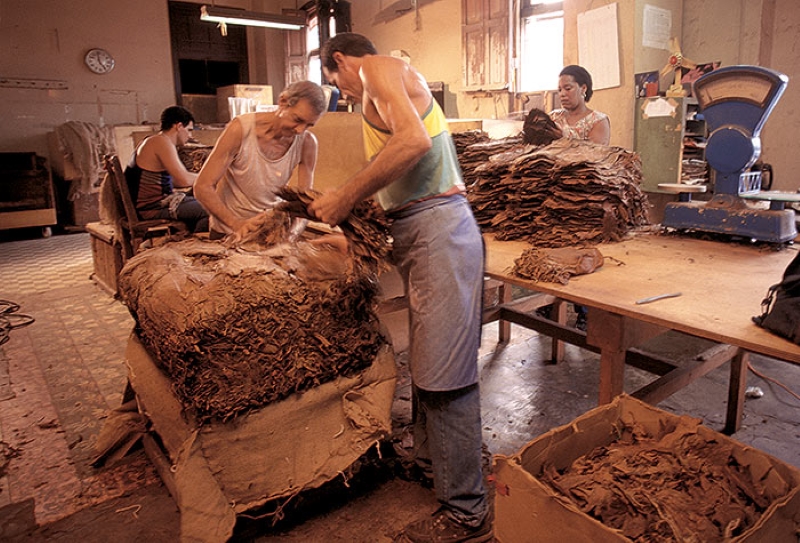
In the making of a Habano the sun plays a vital role. The term Tabaco de Sol or Sun Grown refers to the cultivation method used for the filler and binder leaves in Cuban cigars. These leaves are grown in open fields fully exposed to the Cuban sun allowing them to develop the strength complexity and body that define the character of a true Habano.
This cultivation contrasts with the wrapper leaves which are grown under protective shade. Each method serves a specific purpose contributing to the overall balance and identity of the cigar. In the case of Sun Grown leaves exposure to natural light and heat results in richer more robust tobacco that forms the foundation of the blend.
A Tradition Rooted in the Soil
The filler and binder leaves known respectively as tripa and capote are cultivated directly under the sun in Cuba’s tobacco growing regions particularly Vuelta Abajo. These plants receive maximum sunlight which encourages the development of oils and nutrients in the leaf resulting in bold flavors and increased strength.
Unlike wrapper leaves which require a smoother texture and more uniform appearance filler and binder leaves benefit from the resilience and complexity that full sun exposure provides. These characteristics are essential to the smoking experience influencing the aroma burn and balance of the cigar.
A Careful Process After Harvest
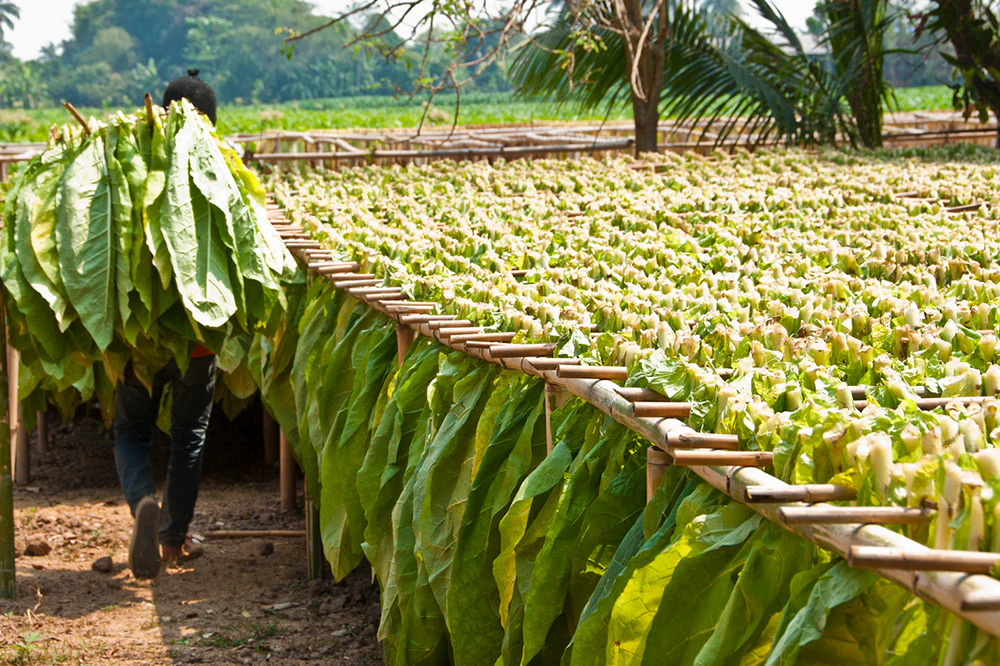
Once harvested Sun Grown leaves are taken to tobacco curing houses where they are air dried for around 50 days. The leaves are strung on poles and hung in ventilated barns to gradually reduce their moisture content. This process is essential to preserve the tobacco’s integrity and prepare it for fermentation.
After curing the leaves undergo a first fermentation that typically lasts about 30 days. This stage helps stabilize the tobacco reduce harshness and begin the transformation of its aroma and flavor. It is a controlled process closely monitored to ensure even fermentation and to preserve the desired qualities of the leaf.
Sorting and Fermentation by Strength
Following the first fermentation the leaves are sent to a selection facility known as the Escogida. There they are classified according to the part of the plant they come from such as volado seco ligero or medio tiempo. Each type has a specific role in the final blend from combustion to strength and aroma.
The sorted leaves then go through a second more extended fermentation. The duration depends on their strength since stronger leaves like ligero or medio tiempo require more time. This stage further refines the tobacco developing deeper flavor profiles and ensuring optimal burn characteristics.
Aging and Storage for Optimal Performance
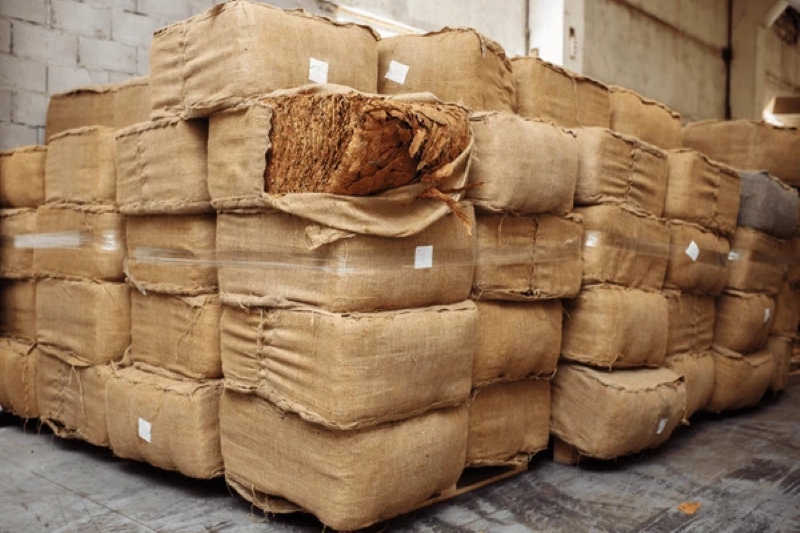
After fermentation the leaves are bundled into large bales known as pacas where they continue to age under controlled conditions. Each bale is labeled with detailed information including origin year of harvest and leaf type. This traceability ensures consistency and quality control throughout the production process.
The length of aging varies with lighter leaves aging for a shorter period while more robust leaves can rest for up to two years or more. This aging allows the tobacco to mellow deepen in complexity and reach the right condition for rolling. Only when this process is complete are the leaves ready to be selected for blending.
Forming the Heart of the Habano
The final step involves the Maestro Ligador or Master Blender who selects and combines leaves to create the exact balance of flavors intended for each vitola. The Sun Grown leaves provide the strength and structure of the cigar while the shade grown wrapper delivers smoothness and visual appeal.
This blend of light and shadow of sun and shade is what gives Habanos their unmistakable complexity. The use of Sun Grown tobacco ensures that each cigar has a core of strength and body shaped by natural elements and refined through time honoured processes.