Cuban Habanos have long been celebrated worldwide for their craftsmanship, history, and distinct personalities. Among the numerous brands, three stand out as true icons: Montecristo, San Cristóbal de la Habana, and Ramón Allones. Each offers a unique story, flavor profile, and cultural significance, reflecting the artistry and tradition of Cuban cigar-making. These brands are not only symbols of quality but also gateways to understanding Cuba’s rich cultural heritage. Enthusiasts often seek them out for both their flavor and their story. In a world flooded with cigars, these three represent the pinnacle of authenticity and refinement.
Montecristo — The Universal Standard
Montecristo was founded in 1935 in Havana and inspired by Alexandre Dumas’ novel The Count of Monte Cristo, which was often read aloud by torcedores as they worked. This literary inspiration, combined with meticulous craftsmanship, helped Montecristo establish itself as a symbol of excellence and consistency in the world of cigars. Recognized for its elegance and balanced character, Montecristo has become the reference point for aficionados worldwide. The brand’s reputation for quality has made it a favorite among collectors and connoisseurs alike. Its cigars are often chosen for celebratory occasions and moments of personal reflection. Montecristo’s global reach has cemented its place as a standard-bearer of Cuban cigar culture, inspiring loyalty across generations.
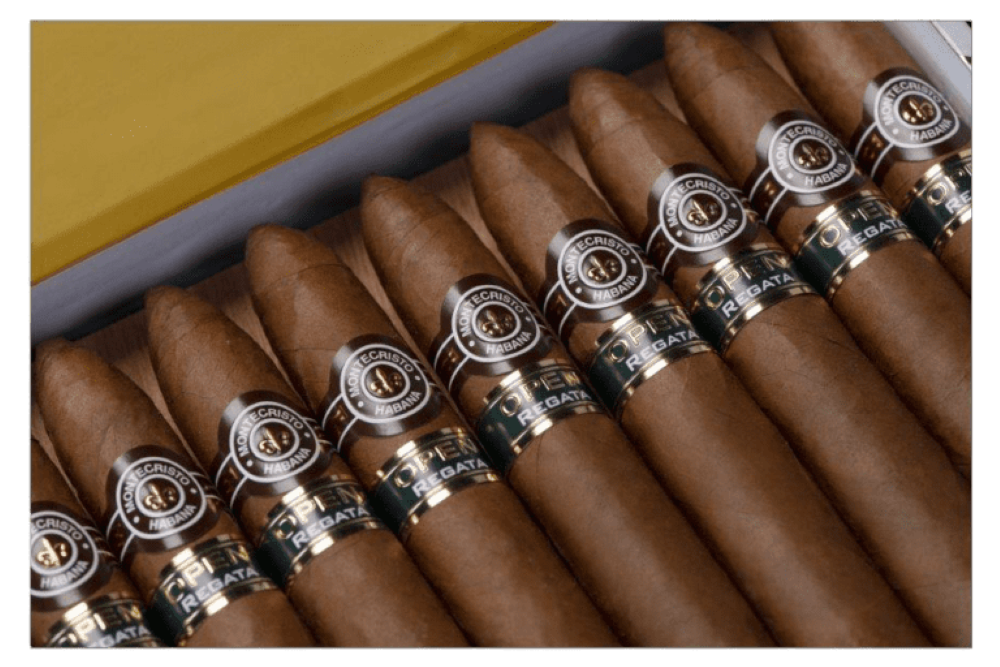
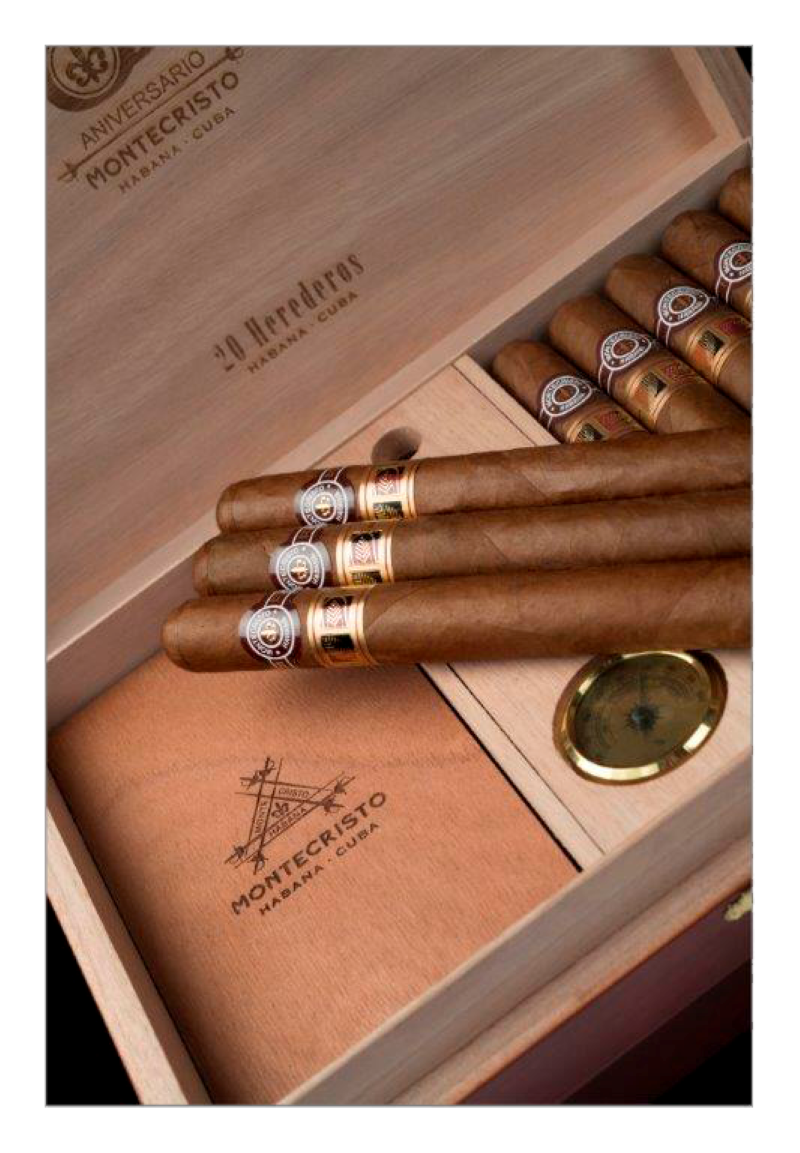
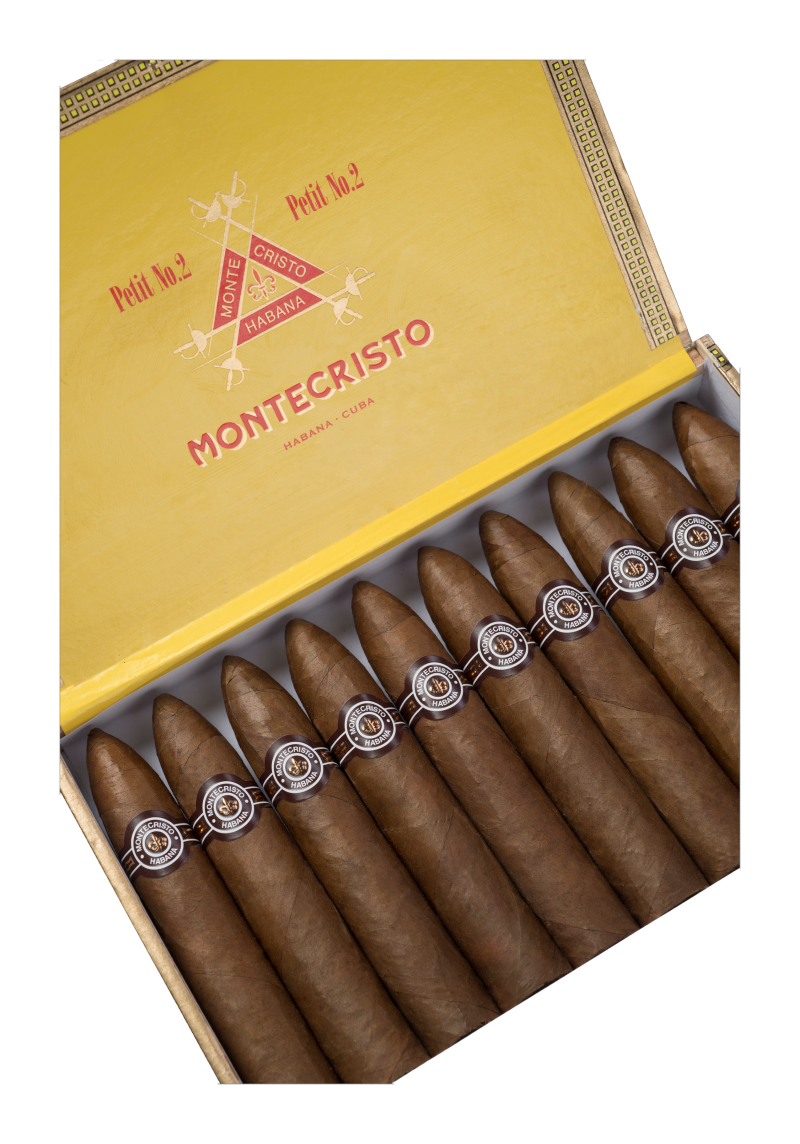
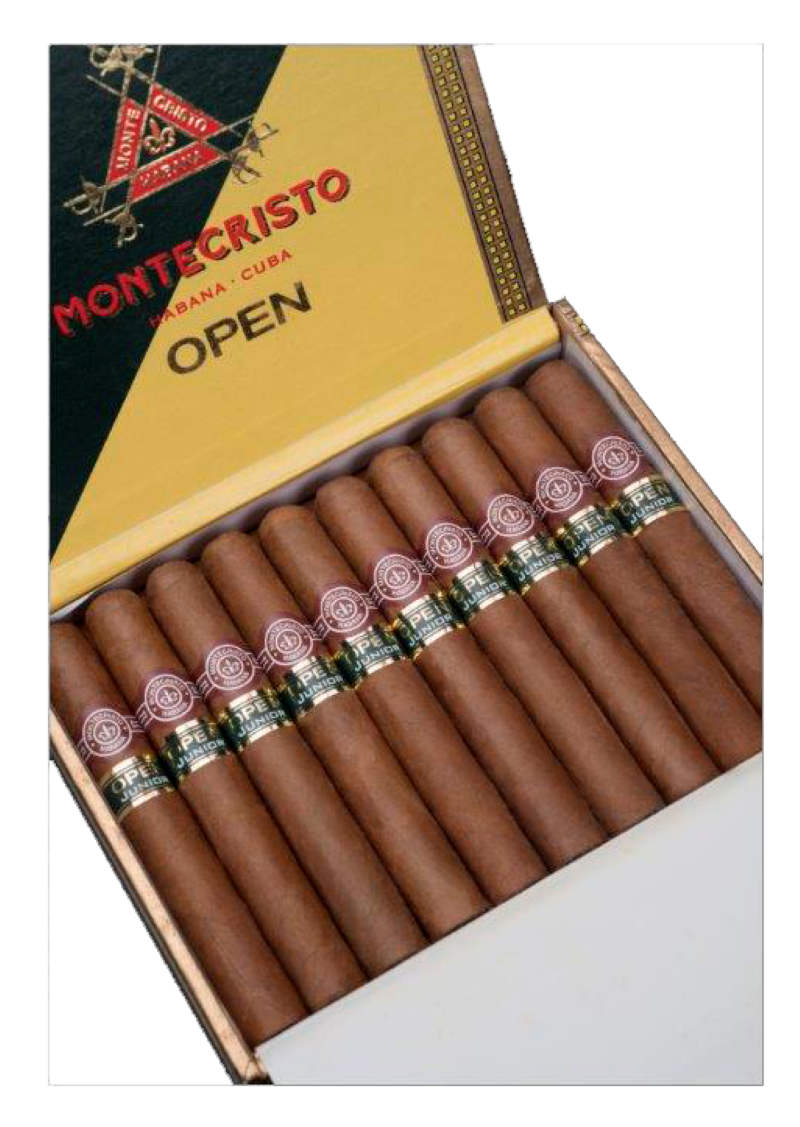
Over the decades, Montecristo expanded its portfolio from its original five vitolas to include formats such as Edmundo, Petit Edmundo, the Open series for outdoor enjoyment, Gran Reserva editions, and commemorative releases like its 80th anniversary editions. These offerings cater to both seasoned smokers and newcomers. With medium to full-bodied strength, leaves sourced from Cuba’s Vuelta Abajo region, and fully handmade construction, Montecristo consistently delivers a refined and reliable smoking experience. Each vitola is designed to showcase balance, flavor complexity, and a smooth draw, making it a complete sensory experience. The brand’s commitment to innovation while preserving tradition ensures that each release resonates with authenticity. Montecristo remains an emblem of precision, passion, and timeless appeal in the Habano universe.
San Cristóbal de la Habana — A Tribute to Havana
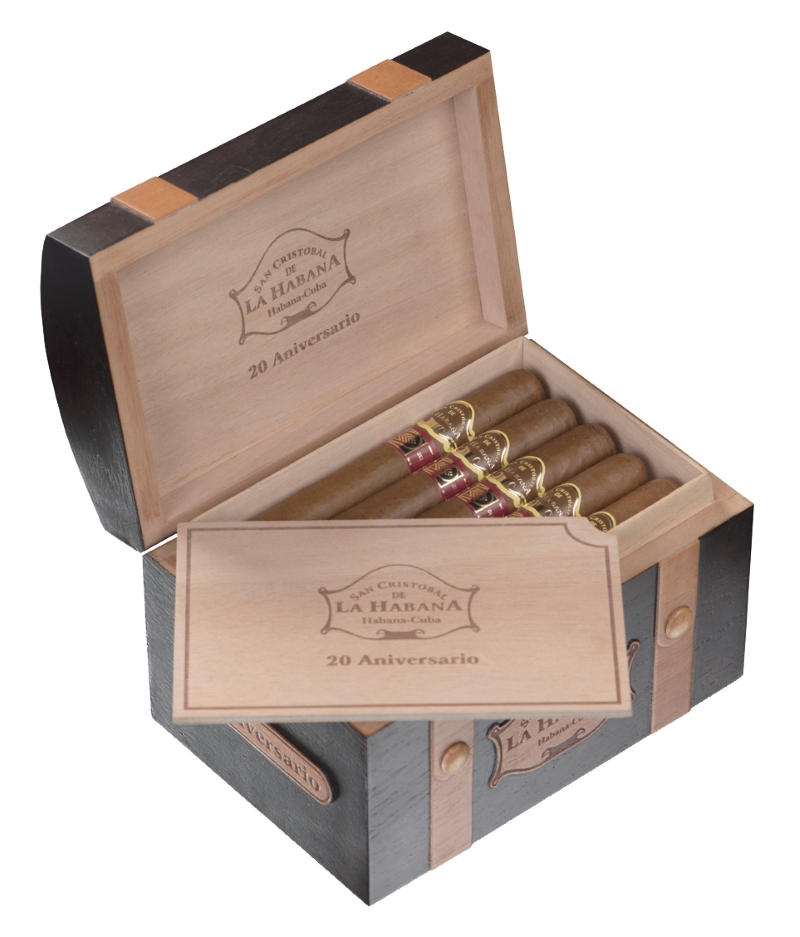
San Cristóbal de la Habana was created in 1999 as an homage to Havana’s historical name. Its initial release featured four vitolas named after the city’s fortresses: El Morro, La Fuerza, La Punta, and El Príncipe, evoking the city’s colonial architecture and rich heritage. The brand immediately stood out for its connection to Havana’s identity and history. San Cristóbal’s visual design and packaging further reflect Havana’s old-world charm, often drawing attention from collectors. Its story intertwines urban elegance with the authenticity of Cuban craftsmanship. For those seeking a sense of place in their smoke, San Cristóbal delivers both history and atmosphere with every puff.
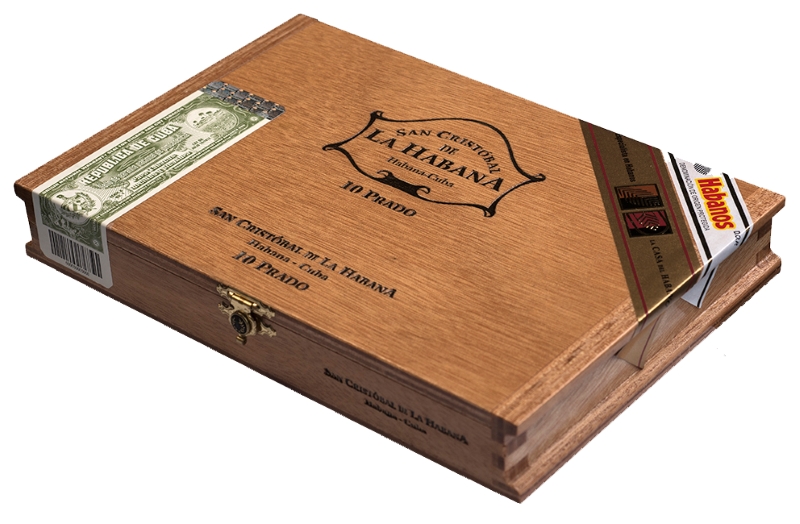
Crafted entirely by hand with long-filler leaves from the renowned Vuelta Abajo region, these cigars provide a smooth, medium-bodied smoking experience, ideal for leisurely enjoyment. Over time, the line expanded to include vitolas named after historic streets in Old Havana, such as Mercaderes, Oficios, and Muralla, offering aficionados a taste of Havana’s charm. Exclusively released through “La Casa del Habano,” the brand continues to combine heritage with approachability. Each cigar embodies careful selection, consistent construction, and an aromatic profile that evokes Havana’s ambiance. Its accessible medium body makes it perfect for both beginners and experienced smokers. San Cristóbal de la Habana celebrates the city’s identity while delivering a relaxed, sophisticated smoking experience.
Ramón Allones — Tradition with Bold Character
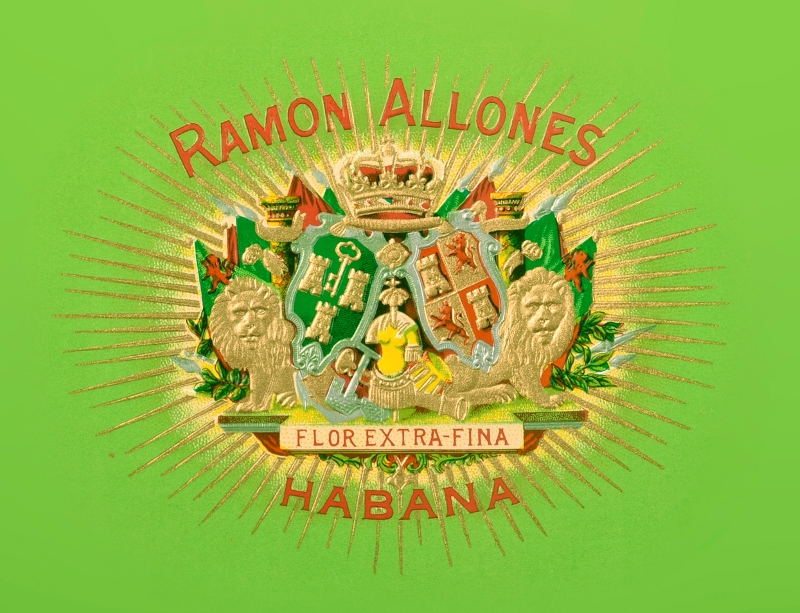
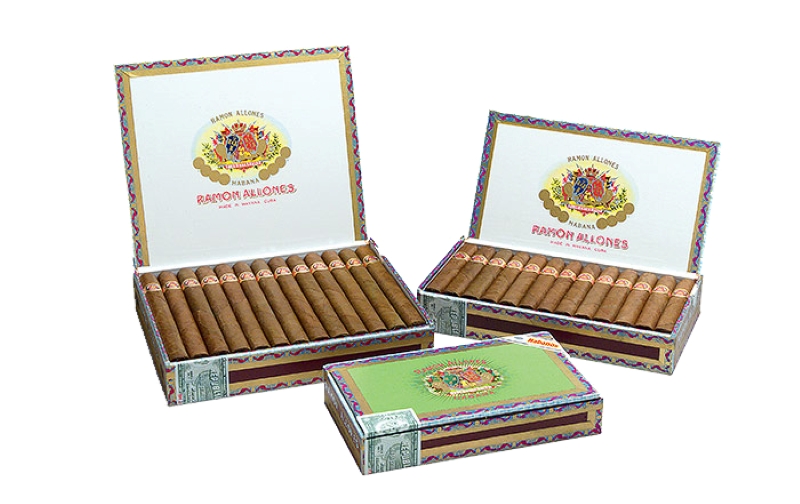
Ramón Allones, founded in 1837, is among the oldest Cuban cigar brands still in production. Known as a pioneer in packaging, the brand was the first to use decorative boxes with labels and emblems, as well as branded cigar bands, setting a standard that would become an industry tradition. Its legacy reflects innovation as much as craftsmanship, ensuring that Ramón Allones remains historically significant. Collectors often prize its limited editions for their rarity and meticulous construction. The brand’s bold personality is mirrored in the richness of its flavor and the depth of its aromas. Ramón Allones continues to inspire aficionados who value tradition, intensity, and character in every smoke.
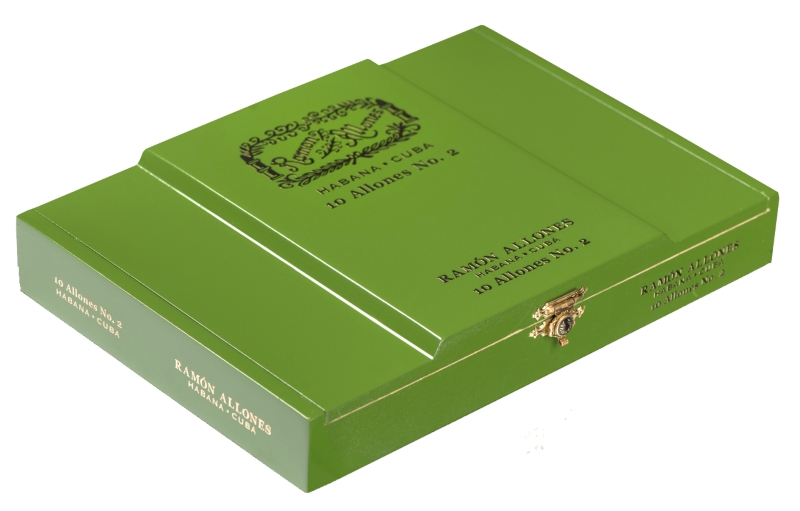
The cigars are fully handmade with long fillers from the Vuelta Abajo region, characterized by their full-bodied, complex flavor profile. Notable vitolas include Gigantes and Allones Specially Selected, while limited editions like the Allones No.2 continue to enjoy great acclaim. Ramón Allones is particularly appreciated by aficionados seeking robust, intense, and deeply satisfying smokes, embodying the authentic spirit of traditional Cuban craftsmanship. Each draw reveals layers of flavor, from earthy undertones to subtle notes of spice and cocoa. The precise construction ensures a consistent burn and a pleasurable smoking rhythm. For those looking for a Habano with character and heritage, Ramón Allones remains a definitive choice.
Three Distinct Paths, One Spirit
Montecristo, San Cristóbal de la Habana, and Ramón Allones offer diverse experiences that, while differing in style, body, and history, converge in one principle: exceptional craftsmanship and a profound respect for Cuban cigar tradition. Whether seeking elegance, historical homage, or bold intensity, these three brands remain essential pillars for any serious Habano enthusiast. Together, they provide a comprehensive exploration of Cuban tobacco artistry. Their legacy, innovation, and attention to detail ensure that each smoke tells a story. For aficionados, experiencing these brands is more than smoking a cigar, it is connecting with centuries of culture and mastery.